Like many of you, I wear glasses daily. For years, I cycled through different brands and local opticians, always searching for that perfect balance of quality, style, and affordability. It's a journey filled with trials and errors, from frames that snapped unexpectedly to lenses that felt overpriced and underperforming. I've learned a lot along the way, and today, I want to share my practical insights to help you make smarter eyewear choices.
I remember a time when I thought I was being clever, buying my glasses for as low as ₹600. The frames were incredibly cheap, and I quickly learned a harsh lesson about substandard quality. One pair actually broke right on my face – I hadn't even dropped them or put any undue pressure on them. It was incredibly frustrating and left me feeling like I'd wasted my money, despite the low initial cost. The experience taught me that sometimes, a deal that seems too good to be true usually is.
After that, I decided to try a popular online brand that everyone was talking about. Their range of frames and style collections was truly impressive, offering a huge variety that made choosing fun. I picked out a stylish frame, but when it came to the lenses, I felt a significant pinch in my wallet. They were marketed as high-quality, but my personal experience was quite different. I found their lens quality to be quite poor, frankly overhyped and overpriced for what they delivered. It felt below average, leaving me to wonder if I was just paying for the brand's marketing rather than genuine optical excellence. This was a critical turning point for me; I realized that a great frame selection doesn't automatically mean great lenses.
My search for better value led me away from the big online names and back to local opticians. What I discovered was eye-opening: local stores often offer much better prices for lenses, especially when you're looking for specific high-quality options like Zeiss. I had heard people claiming you couldn't get Zeiss lenses below ₹5k, but my local optician proved them wrong. I found that many local shops have access to the same price lists as larger retailers and can provide the same high-quality lenses at a more reasonable cost, sometimes as low as ₹1750 for excellent quality.
This experience highlighted the importance of asking questions and comparing options. It also shed light on frame materials. My optician explained that the super cheap frames I’d bought earlier, the ones that snapped, were likely made of what's called TR material. While some TR frames can be decent, many are known to break with the slightest pressure or even just spontaneously. This made me much more conscious about frame durability and material quality when making my next purchase. It's not just about how they look, but how they're built to last through daily wear and tear.
As I delved deeper into finding reliable eyewear, I stumbled upon Mozaer Optical. Their commitment to offering a variety of optical solutions caught my attention. I was specifically looking for something to combat the digital eye strain I was experiencing from spending hours in front of screens. That's when I found a fantastic solution that truly made a difference:
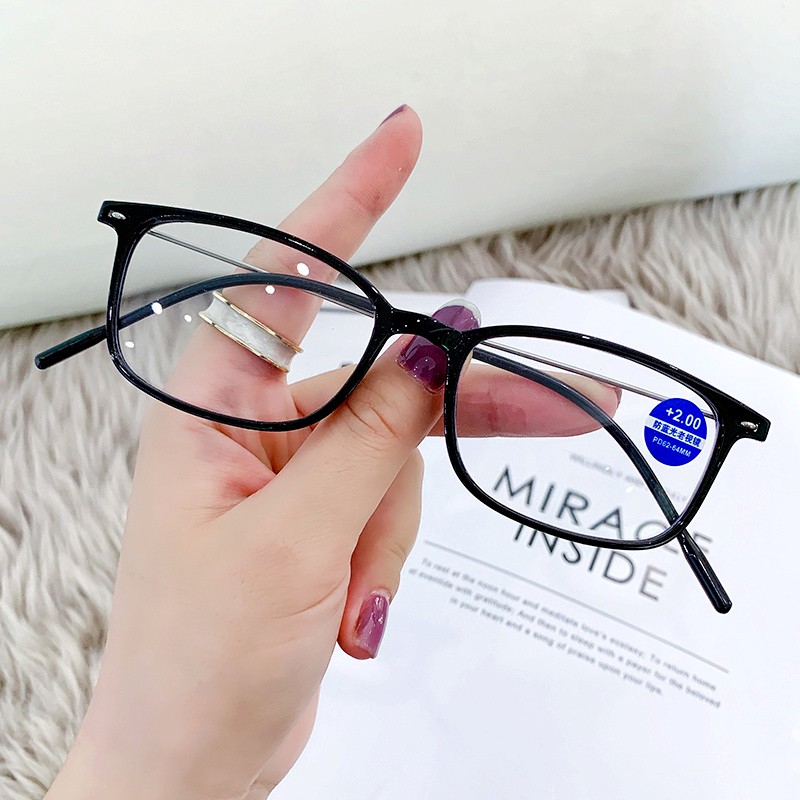
I decided to try the Anti-Blue Light Reading Glasses Full Frame Glasses For Men Women Radiation Protection Square Optical Computer Glasses +1.0 +4.0 +100-Black. These weren't just any reading glasses; they were specifically designed with radiation protection and blue light filtering, which was exactly what I needed for my long hours working on the computer. The full-frame design felt sturdy and comfortable, a far cry from my earlier flimsy frames. Since I started using them, I’ve noticed a significant reduction in eye fatigue and headaches. It felt like a genuine solution to a specific problem I faced, combining practical protection with a durable design. It really showed me that investing in the right specialized eyewear can make a huge difference in daily comfort and eye health.
Through my trials and errors, I've gathered some invaluable tips that I believe can help anyone navigating the world of glasses and lenses. Making informed decisions can save you money, frustration, and ensure your eye health is prioritized.
While frames catch your eye, it's the lenses that truly define your vision experience. Don't let marketing hype sway you. Here's what I learned:
My advice is to prioritize lens quality above all else. Clear, comfortable vision is non-negotiable, and investing in good lenses pays off in the long run.