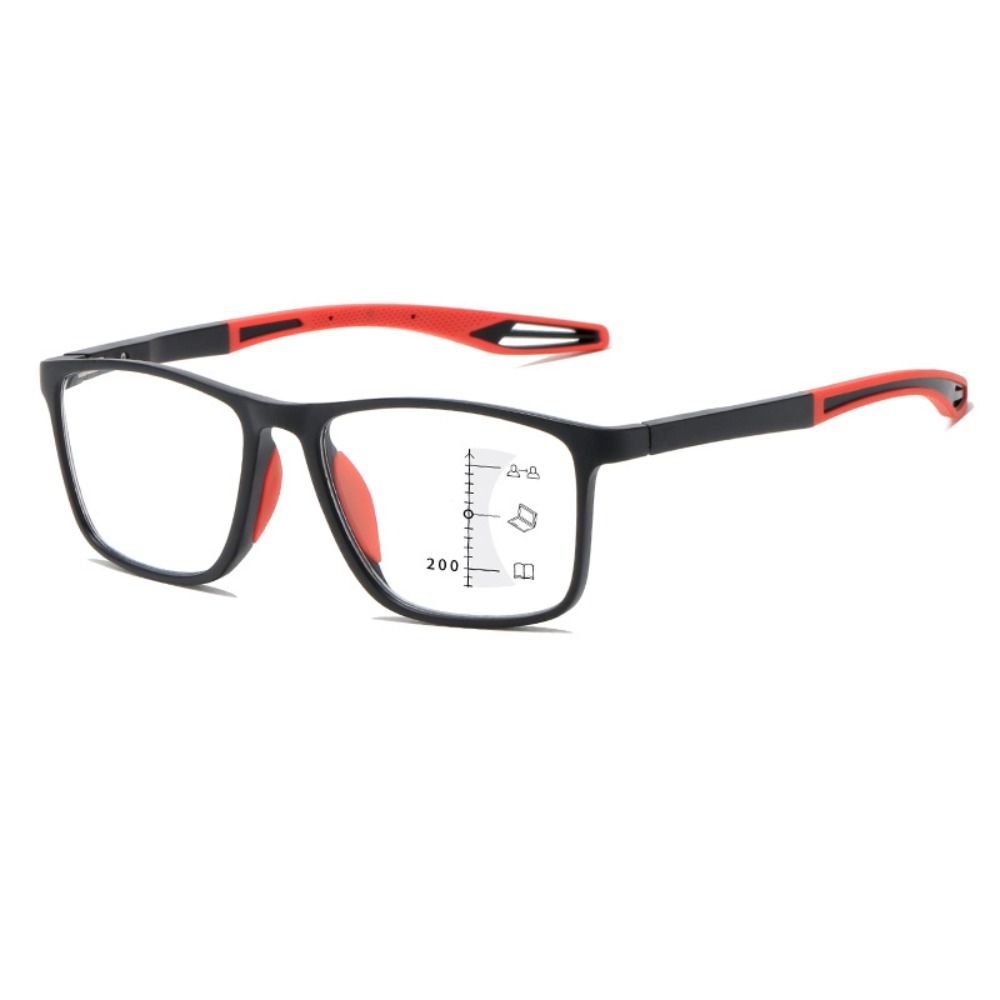
I understand the feeling. When your eyes begin to need a bit of assistance for reading, shopping for new glasses can seem like a tedious task. You simply want something functional, reasonably stylish, and affordable. I've been in that position. In my search for the ideal reading glasses, particularly those with anti-blue light features, I made several significant errors. I'm sharing my missteps so you can benefit from my experience and get it right on your first try.
Selecting the correct pair is more important than you might realize. Quality reading glasses safeguard your eyes and simplify daily activities. Poor-quality ones can lead to headaches, eye strain, and a quick breakdown. Let's ensure you steer clear of the pitfalls I encountered.
My first major error was consistently hunting for the absolute cheapest reading glasses available. I spotted an online deal for anti-blue light glasses under $10 and thought, "What a bargain!" I overlooked all the red flags, reasoning that reading glasses are straightforward, so why spend more?
I learned my lesson the hard way. The lenses were hazy instead of clear. The blue light filter was barely functional. As for the frames? They broke within a few weeks. One arm snapped off as I removed them from my bag. It was a total waste of money, even at just ten dollars. I wound up purchasing two more inexpensive pairs as replacements, and they all had similar issues.
I get it—we all want to save. But sometimes, a lower price means inferior quality. With eyewear, this can ultimately harm both your eyes and your finances.
Verdict: Avoid the cheapest glasses you find. They frequently use subpar materials and provide inadequate eye protection. Seek fair pricing that reflects genuine value, not merely the lowest cost.
After my first cheap pair broke, I still didn't learn. I simply found another inexpensive pair that looked good in photos. I paid no attention to the markers of quality glasses. I never checked the frame material or whether the lenses had proper coatings beyond a basic "blue light filter" label.
Many budget glasses cut corners. Frames may be made from brittle plastic that cracks easily. Hinges can be weak and loosen rapidly. Lenses might scratch at the slightest touch. Some blue light filters are merely a tint that doesn't effectively block harmful rays. I ended up with glasses that felt unstable on my face, gave me mild headaches, and showed scratches after just a few cleanings.
Don't repeat my mistake. Quality eyeglasses use durable materials, feature robust hinges, and have clear lenses with genuine scratch-resistant and blue-light-blocking coatings. These factors significantly impact how long your glasses last and how well they protect your vision.
Verdict: Always look for signs of quality. Check for sturdy frame materials, solid hinges, and clear lenses with verified blue light blocking and scratch resistance. These details reveal the true worth of the glasses.
This was a significant oversight. I would just skim the star rating and proceed. I didn't actually read the customer reviews. Had I done so, I would have seen warnings about fragile frames or glasses causing eye strain.
For one pair, the average rating was acceptable, but upon closer inspection, many reviewers mentioned uncomfortable nose pads. They noted the glasses would slip down or pinch. Others complained the blue light coating peeled off. I bought them without checking and, unsurprisingly, found them extremely uncomfortable. They eventually ended up forgotten in a drawer.
Reading genuine user reviews is like getting advice from people who have already tested the product. They share both positives and negatives, informing you about fit, the effectiveness of the blue light filter, and whether the frames feel cheap.
Verdict: Don't just glance at the star rating. Read the actual customer comments. Look for consistent feedback on comfort, durability, and the performance of the blue light feature. This is crucial for making an informed decision.