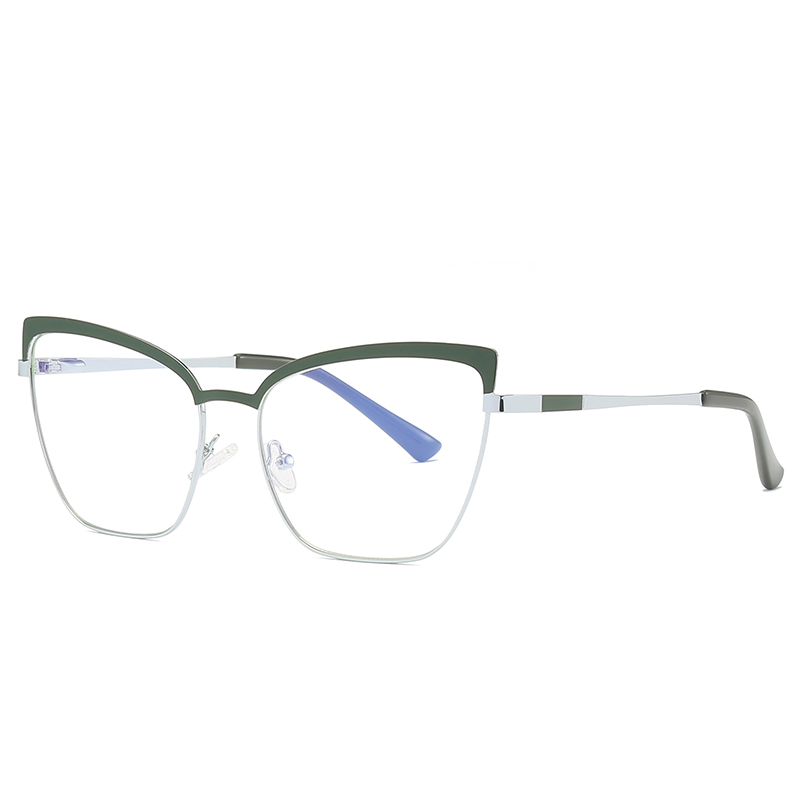
Finding the right pair of reading glasses can completely transform your day. For years, I simply grabbed the cheapest pairs I could find. Does that sound familiar? I used to think all reading glasses were essentially the same. I couldn't have been more wrong. This is the story of how I upgraded my men's readers from bargain-bin basics to truly premium quality. I'm here to show you why investing in a good pair is absolutely worth it.
Here’s what I discovered along the way:
My journey started with the super cheap options. You know the type—the ones you pluck from a spinning rack at the pharmacy or a dollar store. They might set you back five or ten bucks. I bought them thinking, "They just help me read, right? How much better could they possibly be?"
The experience was consistently disappointing. The frames always felt fragile and insubstantial. The lenses seemed to scratch if you so much as breathed on them wrong. They frequently gave me headaches because the optical quality was poor. They'd last a few weeks at most before an arm snapped, a screw worked itself loose, or the lenses became too scratched to see through clearly.
I distinctly remember one pair. Within a week, one of the nose pads fell off. Then the whole frame began to warp in a strange way. It was incredibly frustrating because I was constantly buying replacements. Even though each individual pair was inexpensive, it felt like throwing money away.
Verdict: Super cheap men's readers simply aren't worth it. They break quickly and provide subpar vision, forcing you to spend more money over time on constant replacements.
After one too many broken pairs, I decided to step things up. I moved into the mid-range category. These are the glasses you'd find at a larger retail store or from an online shop, typically priced between $20 and $40. They felt a bit more substantial in my hand and often included a soft case, which was a nice bonus.
The upgrade was... acceptable. The frames were somewhat sturdier and didn't fall apart within a week. They could last a few months. The lenses offered slightly better clarity. However, problems persisted. They often felt heavy on the bridge of my nose and had a tendency to slide down. Sometimes, the lenses still didn't feel quite right, leaving my eyes fatigued after a long reading session. It was an improvement, but not the solution I was hoping for.
I recall one pair with a somewhat better metal frame that seemed promising. But after about three months, the hinges loosened. The temples would flop open uncontrollably. I found myself constantly tightening tiny screws that would inevitably fall out and get lost. They were tolerable for short periods but inadequate for all-day wear or serious work.
Verdict: Mid-range men's readers are a definite step up from the cheapest options, but they still come with compromises in quality and comfort. They're better, but not the ultimate answer for anyone who reads seriously.
Then, I discovered Mozaer. The difference was night and day. After some research, I decided to try a premium pair of men's readers. I focused on specific features like photochromic lenses and durable metal frames. I selected a model similar to Mozaer's P46857, which emphasized advanced benefits like computer-use optimization and superior visual clarity.
The superiority was apparent the moment I put them on. The frame felt solid and meticulously crafted, with no hint of flimsiness. The lenses were remarkably clear. I immediately appreciated features like anti-glare coating, which made a massive difference when reading on my computer. These Mozaer glasses also feature photochromic lenses that darken automatically in sunlight. I could wear them indoors and then walk outside without needing to switch to sunglasses—a total game-changer for me.